
European logistics market
Road Freight Keeps Europe Moving: Why Driver Demand Remains Strong
Road freight remains central to European supply chains, keeping demand active for truck, delivery, C+E, and specialist drivers.
6 min read • Updated 2026-07-03
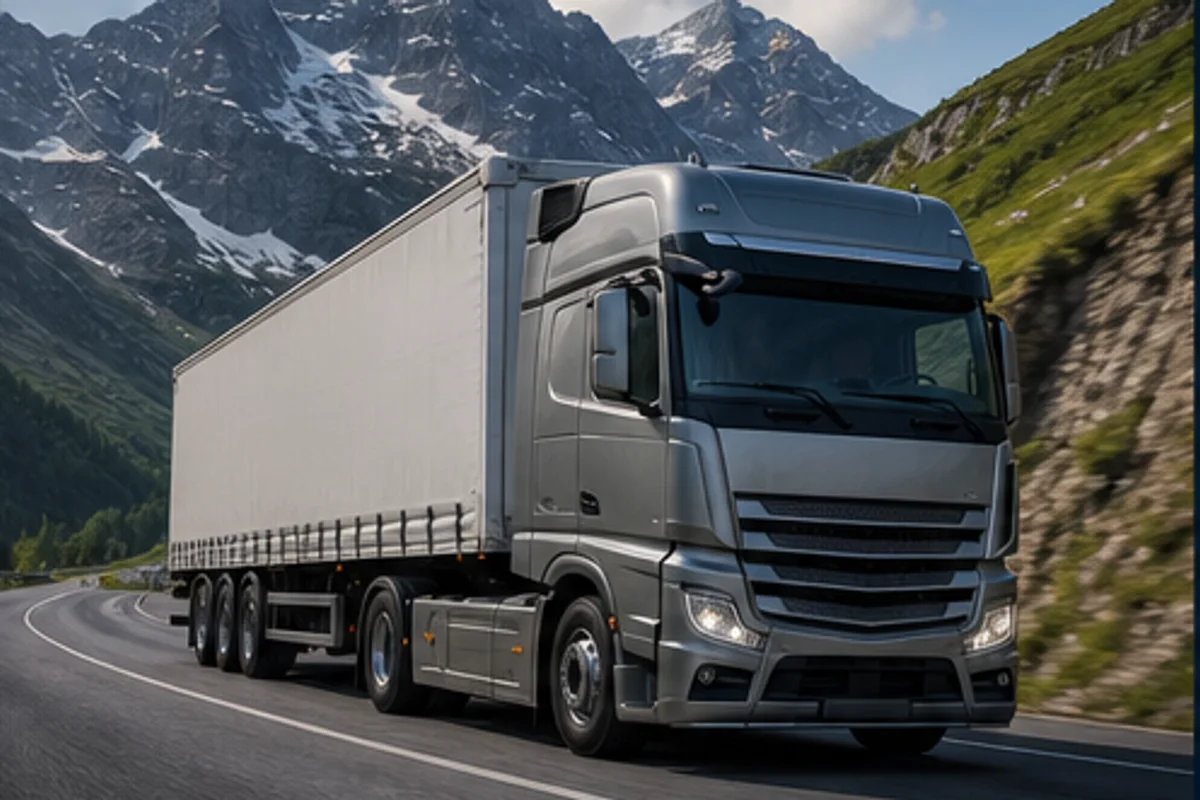
Road freight remains the practical connector
Ports, warehouses, factories, retail networks and last-mile delivery teams all rely on road transport at some point. Even when rail, sea or air is involved, trucks often handle the first mile, last mile or time-sensitive leg.
Different transport models need different drivers
A long-haul C+E route, a regional rigid-truck route, a refrigerated delivery route and a specialist ADR movement should not be briefed in the same way.
- Route distance and operating countries
- Vehicle, trailer, load and shift pattern
- Customer contact, safety and dispatch communication
Capacity planning starts before the route is urgent
Employers get better follow-up when they prepare driver needs before a route is already uncovered. The earlier the licence, language and start-date details are clear, the easier it is to discuss suitable profiles.
Country context matters
Germany, Netherlands, Belgium, France, Poland, Spain, Italy and the Nordics can involve different route patterns, languages and employer expectations. Country-specific driver pages help make those differences visible.
Document and onboarding notes reduce friction
Licence category, CPC or tachograph context, experience summary, accommodation needs and onboarding notes should be captured with the request instead of added later.
How Recruit Driver supports the brief
Recruit Driver is designed around structured employer intake, so fleet and HR teams can explain commercial driver needs without writing a long specification from scratch.