
Peak-season planning
Peak-Season Driver Cover: What to Prepare Before the Rush Starts
Peak driver pressure is easier to handle when the route facts, licence needs and support questions are written down before the first urgent call.
6 min read • Updated 2026-07-03
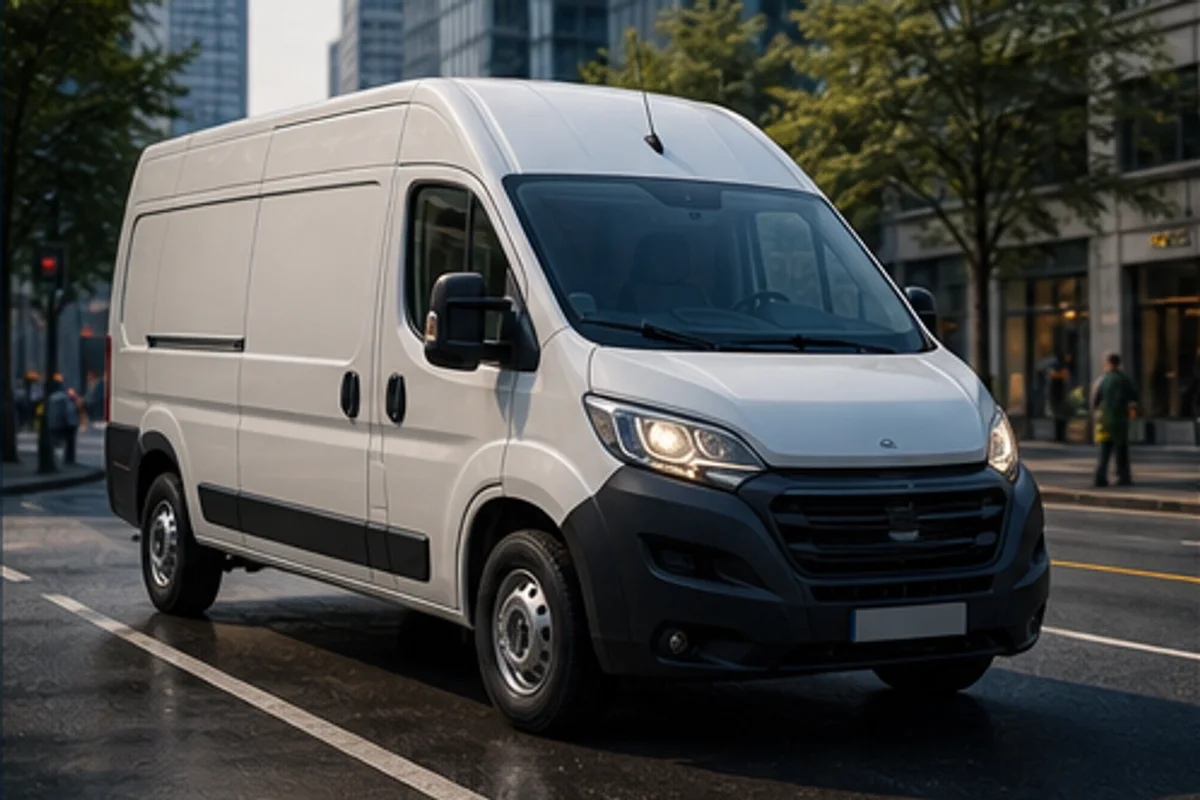
The best peak cover starts before the calendar is full
Peak-season driver requests often arrive when dispatch is already under pressure. The better approach is to prepare the driver brief while there is still time to compare options, check route fit and decide which workforce route should be explored first.
Name the pressure, not just the vacancy
A request for extra drivers is useful only when the business reason is clear. Tell the recruitment team whether the need is holiday cover, seasonal retail volume, new customer work, port-linked demand, depot absence, last-mile pressure or long-haul route expansion.
- Peak period and expected duration
- Depot, route and operating country details
- Driver count by licence category
Separate fast cover from planned hiring
If a route is already exposed, Europe-ready drivers may be the first discussion. If the requirement is larger or recurring, the brief can also include experienced drivers from India, wider Asian networks or Gulf-country transport backgrounds for a planned sourcing route.
Put shift reality in the first message
Driver fit depends on the work itself: early starts, night-outs, multi-drop delivery, cross-border lanes, customer contact, loading routine, route training and dispatch language. These details save time because they rule out poor-fit profiles early.
Add document and onboarding questions early
Peak cover can slow down if licence, CPC, tachograph, ADR, identity, accommodation, travel, language support or onboarding questions appear late. Keep those notes in the same driver request so follow-up stays practical.
Use a short peak-cover checklist
A good peak-cover request is direct: what is changing, where the drivers are needed, which vehicles they will drive, which licence categories matter, how long the cover may run and what support is needed before start.
- Peak window and route pressure
- Vehicle, licence and driver volume
- Language, document and training needs